











Blogs > How Google Ads Goals Shape Your Ad Campaign’s Personality
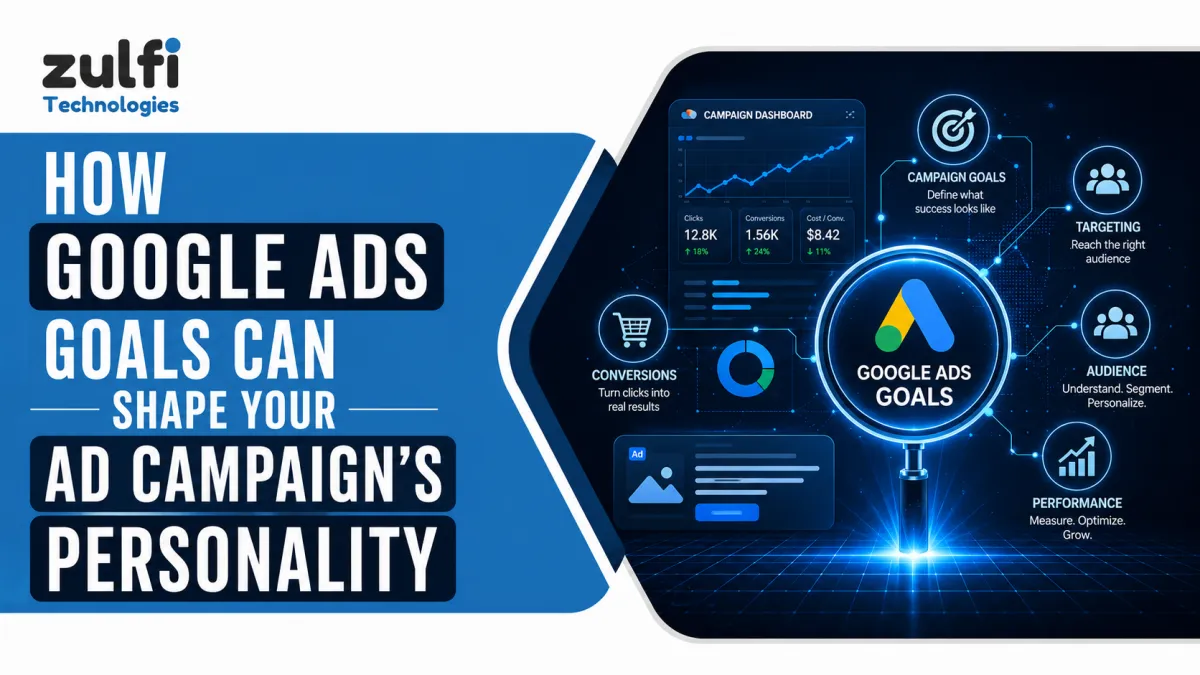
Beyond the ‘Buy Now’ Button: How Google Ads Goals Can Shape Your Ad Campaign’s Personality
Published: July 16, 2026

F. Zulfiqar
CEO Zulfi.tech



If you’ve ever wondered why some websites dominate Google search results while others barely get noticed, the answer almost always comes down to SEO, specifically on-page SEO and off-page SEO. These two pillars of search engine optimization are the backbone of any successful digital strategy.
Think of your website like a house. On-page SEO is everything you do to make your home clean, organized, and welcoming. Off-page SEO is how your neighbors talk about you, your reputation, and influence beyond your own walls. Both are essential if you want your website to be visible, trusted, and clicked on in 2026.
In this guide, we’ll break down what on-page and off-page SEO really mean, why they matter, and how you can optimize both to boost your website’s rankings.
Why Defining Campaign Goals Matters
At its core, every ad should have a purpose. The objectives of advertising campaigns are broader than just generating sales. A well-planned campaign can educate your audience, inspire action, and position your brand in the minds of potential customers.
Without defined goals, even a technically flawless Google AdWords campaign can feel empty. Ads may attract clicks, but they won’t leave a lasting impact or foster loyalty. Clear ad objectives provide direction for creative decisions, from crafting headlines to designing visuals.
They help advertisers answer critical questions:
Who am I speaking to?
What action do I want them to take?
How can I make this ad memorable?
When campaigns are guided by both purpose and personality, audiences are not just viewers; they become engaged participants in your brand story.
Turning Advertising Goals into Strategy
At its core, every ad should have a purpose. The objectives of advertising campaigns are broader than just generating sales. A well-planned campaign can educate your audience, inspire action, and position your brand in the minds of potential customers.
Without defined goals, even a technically flawless Google AdWords campaign can feel empty. Ads may attract clicks, but they won’t leave a lasting impact or foster loyalty. Clear ad objectives provide direction for creative decisions, from crafting headlines to designing visuals.
They help advertisers answer critical questions:
Who am I speaking to?
What action do I want them to take?
How can I make this ad memorable?
When campaigns are guided by both purpose and personality, audiences are not just viewers; they become engaged participants in your brand story.
Turning Advertising Goals into Strategy
Before launching an ad, it’s essential to define what you want to achieve. Are you trying to increase brand awareness, drive website traffic, or generate leads? These campaign objectives examples shape the creative direction of your ad, ensuring it reaches the right people with the right message.
Google Ads provides tools to make these goals measurable. For instance, if your goal is awareness, your campaign might optimize for impressions or reach. If your goal is sales, the campaign might prioritize clicks and completed purchases. This alignment between advertising goals and measurable outcomes ensures your ads are both purposeful and effective.
A clear strategy also allows your campaign to reflect personality. Even highly targeted campaigns can feel mechanical if the messaging lacks character. Defining objectives before execution ensures every visual, headline, and call-to-action contributes to a coherent brand narrative.
How Google Ads Helps Achieve Business Objectives
Google Ads is more than a platform to display ads; it’s a tool that turns strategy into action. By setting ad objectives within Google Ads, you can reach the right audience at the right moment.
Consider a campaign for a new fitness gadget. If the goal is to increase sales, Google Ads can target users searching for similar products. If the goal is awareness, it can show video ads to a broader audience, introducing your brand to people who might not yet know it. Real-time tracking lets you adjust campaigns on the fly, improving ROI without compromising on personality.
Beyond targeting, Google Ads allows you to optimize bids, placements, and ad formats according to your campaign goals, whether that’s engagement, lead generation, or conversions. This means every aspect of your campaign can be tuned to meet your objectives while still reflecting your brand’s unique voice.
Adding Personality to Your Campaigns
Every ad communicates more than just a product; it communicates your brand. Two campaigns may aim to sell the same item, but the way they are presented makes all the difference.
A standard ad might read: “Buy our running shoes today.” A personality-driven ad could say: “Run faster, feel stronger, and make every mile count.” Both aim for a purchase, but the second ad conveys energy, enthusiasm, and human connection.
Personality in advertising can be expressed in multiple ways:
Headlines: Use words that evoke emotion and align with your brand’s tone.
Visuals: Choose imagery that reflects the lifestyle or feelings you want your audience to associate with your product.
Messaging: Speak in a way that mirrors your brand’s personality, whether playful, serious, or inspiring.
Even with a strong personality, campaigns remain measurable. Creativity and strategy can work together to ensure that ad objectives are met while making the campaign feel authentic and memorable.
Real-World Examples of Campaign Objectives with Personality
Looking at real-life examples helps illustrate how Google Ads goals can influence campaign personality:
Fitness brand: Objective, Engagement; Personality, Motivational, and energetic. Ads use bright visuals and inspiring copy to encourage interaction.
Financial service: Objective, Lead generation; Personality, Trustworthy and professional. Ads focus on clear, reliable messaging to instill confidence.
Tech startup: Objective, Conversions; Personality, Innovative and approachable. Ads highlight benefits clearly while showcasing a creative, tech-forward identity.
In all cases, aligning ad goals with personality makes campaigns more memorable and ensures the messaging resonates with the audience..

We help businesses earn trust across search, content, automation, and AI experiences. Our focus stays practical, clear, and accountable, so progress remains visible and performance improves steadily over time.
Custom App Development
We help businesses earn trust across search, content, automation, and AI experiences. Our focus stays practical, clear, and accountable, so progress remains visible and performance improves steadily over time.
Custom App Development
FAQs About Advertising Goals and Google Ads
What is the goal of advertising?
Advertising goals are about more than sales. They include building awareness, trust, engagement, and guiding audiences toward meaningful actions.
How can Google Ads help achieve business objectives?
Google Ads allows precise audience targeting, goal setting, and performance tracking. This ensures campaigns meet objectives efficiently while delivering results.
Can personality-driven ads still meet campaign goals?
Absolutely. Creative, personality-driven campaigns can drive clicks, leads, and conversions while making your brand memorable.
What are common campaign objectives examples?
Examples include driving website traffic, generating leads, increasing sales, growing social engagement, and building brand awareness.
How do you balance creativity and measurement?
Set clear goals first, then design ads with personality. Use Google Ads tracking to measure performance without compromising creativity.
Book a Consultation
Strategy and Personality Are a Winning Combination
The era of the simple “Buy Now” button is over. Advertising in 2026 is about clarity, purpose, and personality. By defining Google Ads goals and aligning them with audience needs, campaigns become memorable, effective, and measurable.
When combined, these elements create campaigns that do more than sell; they educate, inspire, and build lasting relationships.
Ads with personality don’t just communicate; they engage. They turn passive viewers into active participants in your brand story. In today’s digital landscape, that’s what separates good campaigns from great ones.

About author
I am a passionate writer with a strong interest in IT and marketing, focused on sharing practical ideas in simple and clear language. I enjoy helping readers understand technology and marketing concepts easily, making them useful for everyday work and growth.



Let's Connect With Our Experts
Book a Consultation
Speed Is a Ranking Strategy.
Treat It Like One.
Site speed is often treated as a technical housekeeping task. Something to sort out, tick off, and move past. That framing misses what's actually at stake.
Page speed runs through almost every signal Google uses to evaluate a page, how efficiently it's crawled, how users engage with it, and how it scores on the metrics built directly into the ranking algorithm.
The fastest-loading websites didn't get there by accident. They got there by treating speed as a core part of their SEO strategy, not an afterthought. In 2026, that's the standard worth holding yourself to.

AI-powered digital marketing solutions for businesses ready to dominate search and AI-driven discovery.
Copyright© 2026 Zulfi Technologies. All rights reserved.